
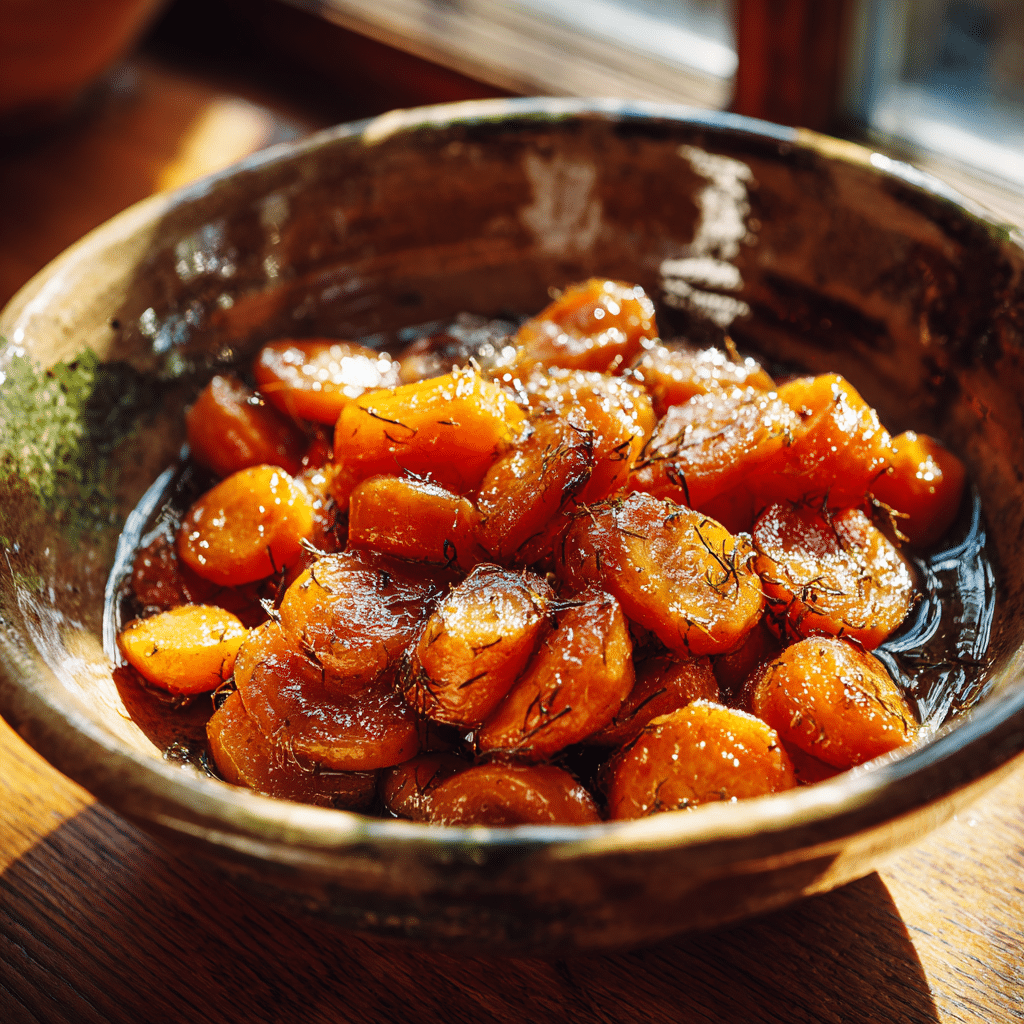
There’s something timeless about a bowl of glazed carrots their glossy sweetness, tender bite, and golden sheen make any meal feel special. This recipe turns simple carrots into a dish worth celebrating, whether for Sunday dinner or holiday feasts. In this guide, we’ll explore the secret to getting that perfect caramelized glaze, the best ingredients to use, and Lily Taylor’s family twist that brings warmth to every plate. From choosing the right glaze to mastering the perfect texture, discover how to make glazed carrots that shine every single time.

Table of Contents
Introduction
When I think of glazed carrots, I’m instantly reminded of the cozy hum of my grandmother’s kitchen where butter melted slowly in a pan, and the sweet scent of caramelizing sugar filled the air. For Lily Taylor, the soul behind Dishfeast, those same aromas defined her childhood. She learned early that food wasn’t just about feeding people it was about creating warmth, laughter, and stories worth sharing.
Among her favorite dishes, these glazed carrots hold a special meaning. Lily remembers the first time she watched the sugar turn golden and the carrots shimmer under the glaze simple ingredients transformed into something elegant and full of love. Each glossy piece became a little reminder that comfort and beauty often start in the same saucepan.
The magic of glazed carrots lies in their effortless charm. With just butter, brown sugar, and a pinch of seasoning, you can create a dish that pairs beautifully with everything from Garlic Bread Rolls to Cheesy Broccoli. The glaze clings perfectly, bringing balance between sweetness and richness proof that simplicity can taste luxurious.
Lily often calls cooking “her favorite way to tell stories.” Every recipe she shares whether it’s her comforting Sweet Potato Casserole or her festive Charcuterie Wreath carries a memory, a person, or a season of her life. These glazed carrots are one of those recipes she returns to again and again because they remind her of why she started cooking: to bring people together.
Whether it’s a family dinner or a holiday feast, this recipe adds color, shine, and joy to the table. It’s quick to make, endlessly adaptable, and full of the kind of flavor that makes guests ask for seconds.
Because sometimes, all it takes is a little butter, a little sugar, and a lot of heart to turn everyday carrots into something unforgettable.
Print
The Best Glazed Carrots: Simple, Sweet, and Totally Addictive
- Total Time: 25 minutes
- Yield: 4 servings 1x
- Diet: Vegetarian
Description
These Glazed Carrots are tender, buttery, and lightly sweetened with brown sugar for the perfect side dish. Lily Taylor’s family recipe brings a French touch of warmth and shine to any table.
Ingredients
1 kg fresh carrots, peeled and sliced into coins
3 tablespoons unsalted butter
3 tablespoons brown sugar
1/2 teaspoon salt
1 tablespoon honey (optional)
1 teaspoon orange zest (optional)
1 tablespoon fresh parsley, chopped
Instructions
1. Peel and slice the carrots into even coins.
2. Bring a pot of salted water to a boil, add carrots, and cook for 5–6 minutes until just tender.
3. Drain the carrots well and set aside.
4. In a large skillet, melt the butter over medium heat.
5. Stir in the brown sugar and let it bubble for 1–2 minutes to form a glaze.
6. Add the carrots to the skillet, tossing gently to coat evenly.
7. Cook for another 3–4 minutes until glossy and caramelized.
8. Add the honey and orange zest, stir once more, and remove from heat.
9. Sprinkle with chopped parsley before serving.
Notes
For deeper flavor, replace brown sugar with maple syrup.
To store: refrigerate for up to 3 days in an airtight container.
To reheat: warm in a skillet with a splash of water to refresh the glaze.
- Prep Time: 10 minutes
- Cook Time: 15 minutes
- Category: Side Dish
- Method: Stovetop
- Cuisine: French
Nutrition
- Serving Size: 1 cup
- Calories: 180
- Sugar: 10g
- Sodium: 280mg
- Fat: 9g
- Saturated Fat: 5g
- Unsaturated Fat: 3g
- Trans Fat: 0g
- Carbohydrates: 22g
- Fiber: 4g
- Protein: 2g
- Cholesterol: 15mg
Choosing the Perfect Glaze for Carrots
There’s something almost magical about watching the glaze form on glazed carrots that moment when butter, sugar, and heat come together to create a glossy, sweet coating that clings to every slice. The secret to great glazed carrots isn’t just in the cooking; it’s in choosing the right glaze. Whether you prefer a traditional butter-and-brown-sugar base or love experimenting with honey and herbs, every version brings its own personality to the plate.
The Classic Brown Sugar and Butter Duo
The timeless combination of brown sugar and butter is beloved for a reason. The butter adds richness, while the sugar caramelizes beautifully, giving the carrots a deep golden hue and a hint of toffee-like flavor. This glaze enhances the carrots’ natural sweetness without overpowering it. For Lily Taylor, this is the go-to recipe when she wants a side dish that feels nostalgic and effortless.
The trick is patience allowing the glaze to reduce just enough to coat the carrots without turning them sticky. A pinch of salt helps balance the sweetness, and a sprinkle of chopped parsley at the end adds a burst of freshness. This version pairs perfectly with heartwarming mains like Deviled Eggs with a French Twist or creamy Corn Casserole, creating a full menu that’s comforting and colorful.
Creative Glaze Variations You’ll Love
Once you’ve mastered the basics, glazed carrots become a canvas for flavor. Maple syrup adds a smooth depth, honey introduces floral notes, and orange juice brightens everything with a touch of citrus. For a savory spin, Dijon mustard and fresh thyme add complexity while keeping the sweetness subtle.
Here’s a quick comparison table Lily often shares in her workshops:| Glaze Type | Flavor Profile |
|---|---|
| Brown Sugar + Butter | Rich, caramelized, and classic |
| Honey + Thyme | Sweet, floral, and aromatic |
| Maple Syrup + Dijon Mustard | Sweet-savory with mild spice |
| Orange Juice + Brown Sugar | Bright, tangy, and lightly sweet |
Each of these combinations brings something new to the table. The honey and thyme version feels rustic and comforting, while the maple-Dijon glaze adds a touch of sophistication perfect for dinner parties.
If you’re planning a festive spread, Lily recommends pairing these carrot glazes with Apple Pie or Tomato Basil Penne Pasta. The contrast of sweet, savory, and creamy textures makes every bite unforgettable.
Ultimately, choosing your glaze comes down to your mood and menu. Whether you’re cooking for a crowd or for yourself, glazed carrots have a way of turning even an ordinary evening into something special.

Cooking Glazed Carrots Perfectly Every Time
Perfect glazed carrots strike that delicate balance between tender and slightly firm, coated in a buttery glaze that shines with flavor. The method is simple, but every step matters from how you prep your carrots to the moment you spoon them onto the plate.
Should You Boil or Roast First?
Many home cooks wonder whether it’s best to boil or roast carrots before glazing. The answer depends on the texture you love most. Boiling (or blanching) carrots briefly in salted water keeps them soft and quickens the glazing process. Roasting, on the other hand, adds a deeper caramelized flavor.
For Lily Taylor, boiling is her preferred start it guarantees even tenderness and allows the glaze to cling beautifully later. She simmers sliced carrots until just tender, drains them, then finishes them in a buttery pan with brown sugar. That’s when the magic happens: the glaze thickens, coating every slice in a glossy sheen.
If you prefer a richer, oven-roasted touch, toss your carrots in olive oil and roast them at 200°C (400°F) until golden, then glaze them in a skillet afterward. Both methods deliver delicious results it’s simply a matter of personal taste.
How to Make the Glaze Stick Like Magic
The secret to a perfect glaze is all about timing and temperature. Start by melting butter in a pan, add brown sugar or honey, and let it bubble gently until the sauce slightly thickens. Add the carrots and toss to coat them evenly. Stir slowly, allowing the glaze to reduce and cling to the surface.
A small pinch of salt and a drizzle of citrus juice (like orange or lemon) will help balance the sweetness and intensify the shine. If the glaze feels too thin, simmer a few minutes longer; if it’s too thick, add a splash of warm water or stock.
When you’re done, you’ll have glazed carrots that glimmer like jewels and taste just as delightful. For a comforting dinner, pair them with Lily’s Shakshouka or the cozy Sweet Potato Casserole two dishes that complement their sweetness perfectly.

Serving, Storing & Lily’s Family Twist
When it comes to serving glazed carrots, presentation is part of the magic. Their rich orange hue and glossy finish bring warmth and elegance to any table, whether it’s a cozy weeknight dinner or a festive family celebration. Lily Taylor loves to say that “a dish should look like it wants to be eaten,” and these carrots do exactly that.
How to Serve Glazed Carrots with Style
The beauty of glazed carrots is how easily they fit into any menu. Serve them alongside roasted meats, poultry, or vegetarian mains they balance richness with natural sweetness. For an effortless pairing, Lily often plates them next to her Charcuterie Wreath during the holidays, where their warm color contrasts beautifully with savory cured meats and cheese.
For a comforting family meal, they’re a perfect match with the Salsa Verde Chicken. The buttery glaze complements the creamy, smoky notes of the soup, turning a simple dinner into something unforgettable. A sprinkle of chopped parsley or a twist of fresh black pepper is all you need to finish the dish with a restaurant-worthy touch.
When plating, pile the carrots in a shallow serving bowl and spoon the glaze over top. Let a bit of it pool around the edges that glossy finish is part of their charm.
Lily’s Secret Touch for Extra Shine
Every cook has a little secret that makes their dish special. Lily’s tip for flawless glazed carrots is adding a teaspoon of orange zest and a small knob of cold butter right before serving. The zest lifts the flavor, while the butter gives the glaze that final silky sheen.
If you’re preparing them ahead of time, store the carrots and glaze separately. Reheat the glaze gently on the stove and toss the carrots in just before serving to bring back their freshness and shine. Leftovers keep well in the fridge for up to three days and can be reheated in a skillet with a splash of water to restore their glossy coat.
It’s a simple trick that keeps every bite tasting as bright and buttery as when it first left the pan. For Lily, these little details are what make cooking feel like an act of care proof that even the simplest vegetables can express love when prepared with intention.
Conclusion
Glazed carrots remind us that the best dishes are often the simplest ones a few honest ingredients, cooked with patience and love. Lily Taylor’s recipe brings warmth to any meal, transforming carrots into a side dish that feels indulgent and heartfelt.
Whether you’re hosting a holiday feast or preparing a quiet dinner at home, these carrots will earn their place at the table. They’re proof that food doesn’t have to be complicated to be memorable it just needs to be made with care.
For more comforting side dishes that share the same homemade spirit, explore Dishfeast’s growing collection of meals and desserts. Each recipe tells a story, and every story starts in the kitchen.
How do you do glazed carrots?
Cook sliced carrots until tender, then toss them in a pan with melted butter, brown sugar (or honey), and a touch of salt until the sauce thickens and coats evenly.
What kind of glaze is best for carrots?
A classic butter and brown sugar glaze works beautifully, but maple syrup or honey are excellent alternatives for a deeper, natural sweetness.
How to make glaze stick to carrots?
Reduce the glaze slowly over medium heat and add the carrots while the sauce is bubbling that’s when it bonds best.
Should you boil carrots before roasting them?
Yes, if you want a softer texture. Blanching carrots before roasting ensures they cook evenly and soak up the glaze without drying out.